
Setting up a mineral water plant requires proper planning of both power and water resources. These two factors directly impact production efficiency, operating cost, and compliance with industry standards.
In this guide, we explain the power and water requirements for different plant capacities along with practical insights to help you plan efficiently.
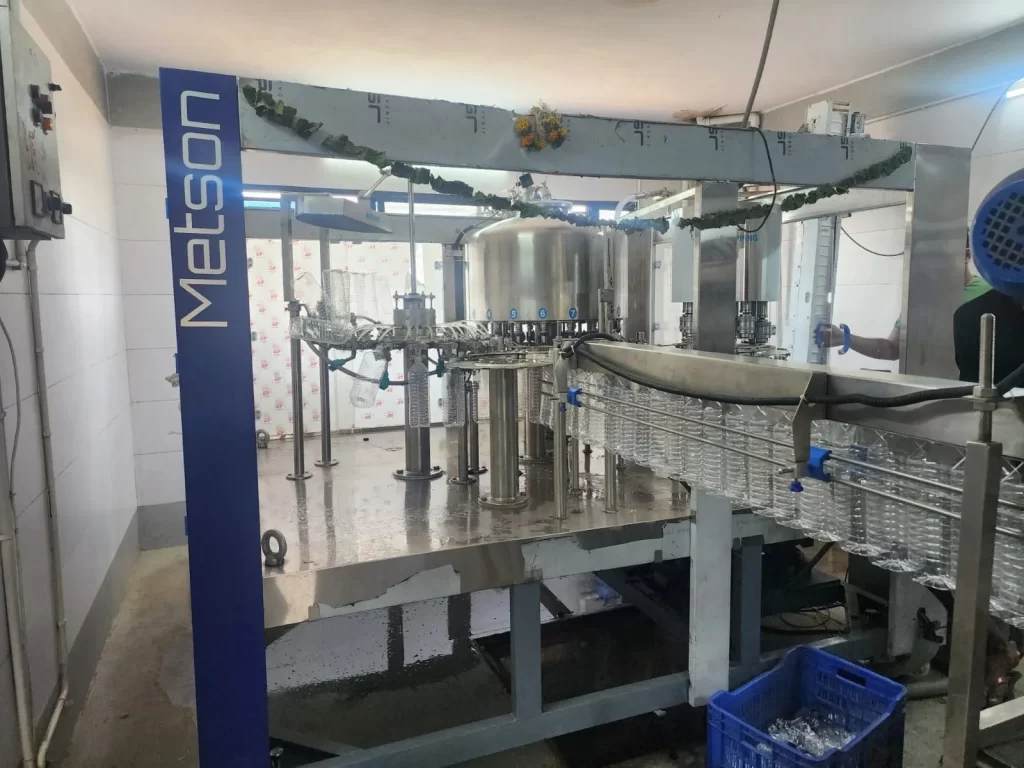
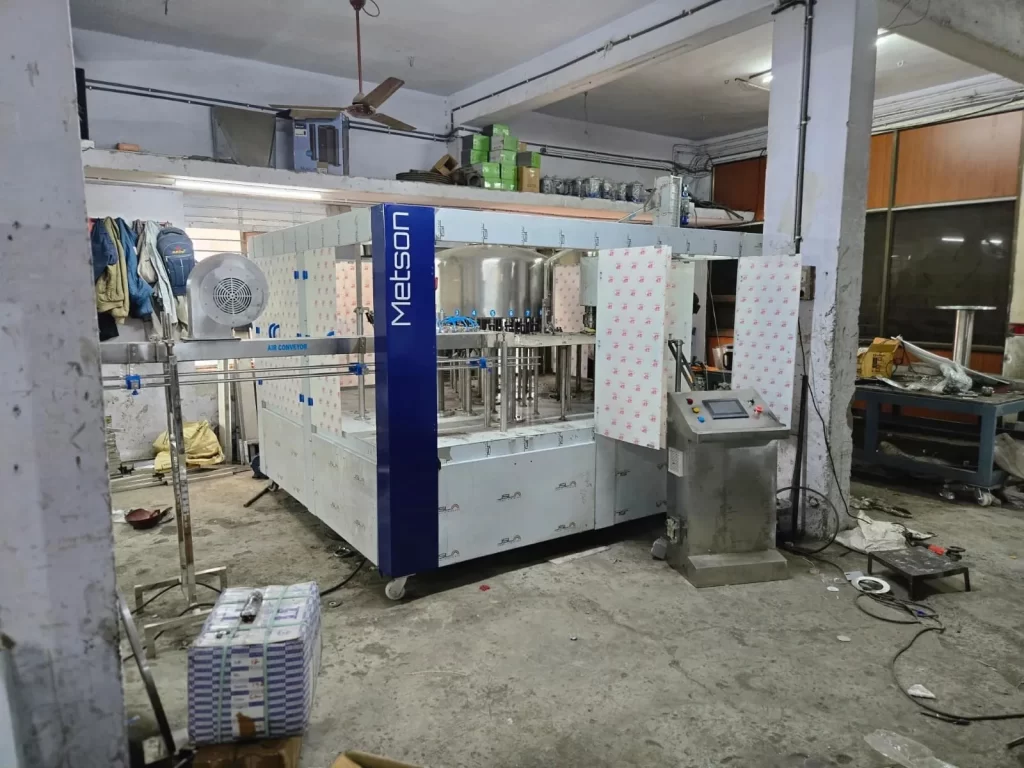
Why Power and Water Planning is Important
Proper planning ensures:
- Smooth plant operation without interruptions
- Efficient performance of machinery
- Reduced operational costs
- Compliance with regulatory standards
- Long-term sustainability
Ignoring these requirements can lead to downtime, equipment damage, and increased expenses.
Water Requirement for Mineral Water Plant
Water is the primary raw material, but not all input water becomes final product. A significant portion is rejected during purification.
Input vs Output Ratio
- Typically, only 40% to 60% of raw water becomes finished drinking water
- The remaining 40% to 60% is rejected (RO reject water)
Water Requirement Based on Capacity
| Plant Capacity | Raw Water Required | Output Water |
|---|---|---|
| 250 LPH | 500 – 700 LPH | 250 LPH |
| 500 LPH | 1000 – 1300 LPH | 500 LPH |
| 1000 LPH | 2000 – 2500 LPH | 1000 LPH |
| 2000 LPH | 4000 – 5000 LPH | 2000 LPH |
Water Source Options
- Borewell water
- Municipal supply
- Tanker water
The source should be consistent and tested for TDS and contamination.
Power Requirement for Mineral Water Plant
Power consumption depends on plant capacity and level of automation.
Power Requirement Based on Capacity
| Plant Capacity | Power Requirement |
|---|---|
| 250 LPH | 3 – 5 kW |
| 500 LPH | 5 – 8 kW |
| 1000 LPH | 8 – 15 kW |
| 2000 LPH | 15 – 25 kW |
Major Power-Consuming Equipment
- RO high-pressure pump
- Feed water pump
- Bottle filling machine
- Air compressor
- Bottle blowing machine (if installed)
- Shrink wrapping machine
Additional Utility Requirements
Air Compressor
- Required for bottle blowing and pneumatic machines
- Should be properly sized based on plant capacity
Generator or Power Backup
- Ensures uninterrupted production
- Recommended for areas with frequent power cuts
Water Storage Tanks
- Raw water tank
- Treated water tank
- Product storage tank
Practical Tips from Metson Machines
Optimize Water Usage
- Reuse RO reject water for cleaning or gardening
- Reduces water wastage
Choose Energy-Efficient Equipment
- Use high-quality pumps and motors
- Reduces electricity cost
Plan Proper Electrical Layout
- Separate panels for different machines
- Ensure safety and easy maintenance
Maintain Stable Power Supply
- Use voltage stabilizers if required
- Protects sensitive equipment
Test Water Source Regularly
- Check TDS, hardness, and microbial content
- Ensures consistent quality
Common Mistakes to Avoid
- Underestimating water requirement
- Ignoring reject water management
- Installing insufficient power capacity
- No backup power system
- Poor electrical planning
Frequently Asked Questions (FAQs)
How much raw water is required for a mineral water plant?
Generally, you need about 2 times the production capacity. For example, a 1000 LPH plant may require 2000 to 2500 LPH raw water.
Why is there water wastage in RO plants?
RO systems remove impurities by rejecting a portion of water containing dissolved salts and contaminants.
Can RO reject water be reused?
Yes, reject water can be reused for cleaning, gardening, or flushing purposes.
What is the power requirement for a small mineral water plant?
A small plant (250–500 LPH) typically requires 3 to 8 kW of power.
Is a generator necessary for the plant?
It is recommended, especially in areas with unstable electricity supply, to avoid production loss.
What happens if power supply is unstable?
Unstable power can damage equipment and interrupt production. Using stabilizers or backup systems is advisable.
Final Thoughts
Power and water are the backbone of any mineral water plant. Proper planning ensures efficient operation, cost control, and consistent product quality.
Metson Machines provides complete support including plant design, utility planning, machinery supply, and installation to help you set up your plant smoothly.
