
Sikkim, known for its pristine mountains, eco-friendly policies, booming tourism, monasteries, schools, hotels, hydro-power units, and military establishments, faces an increasing demand for high-quality purified drinking water. Despite abundant natural springs, local water sources often contain turbidity, microbial contamination, high iron content, low pH, and unstable TDS, making it unfit for direct consumption—especially for commercial bottling, hospitality, and institutional use.
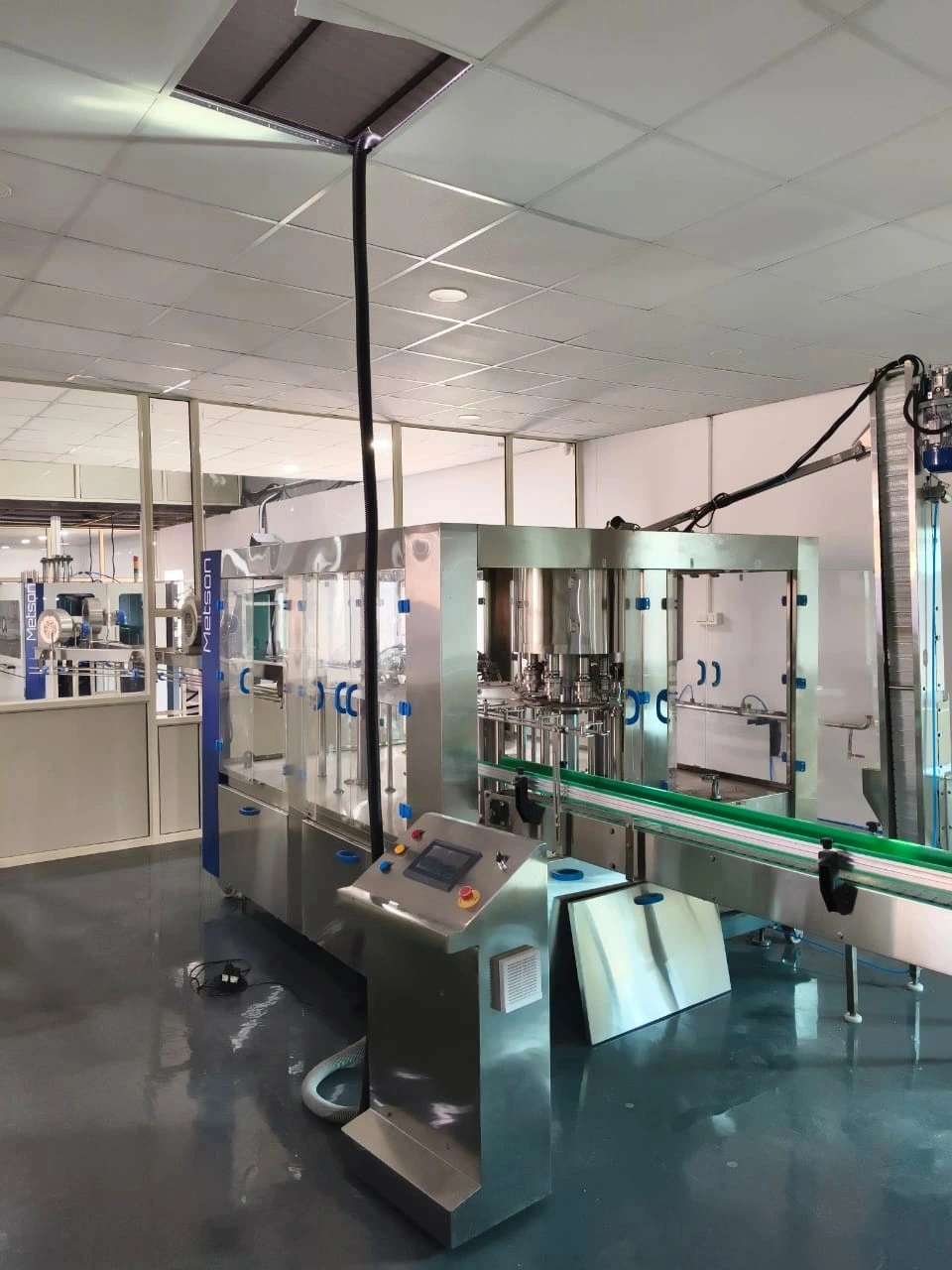
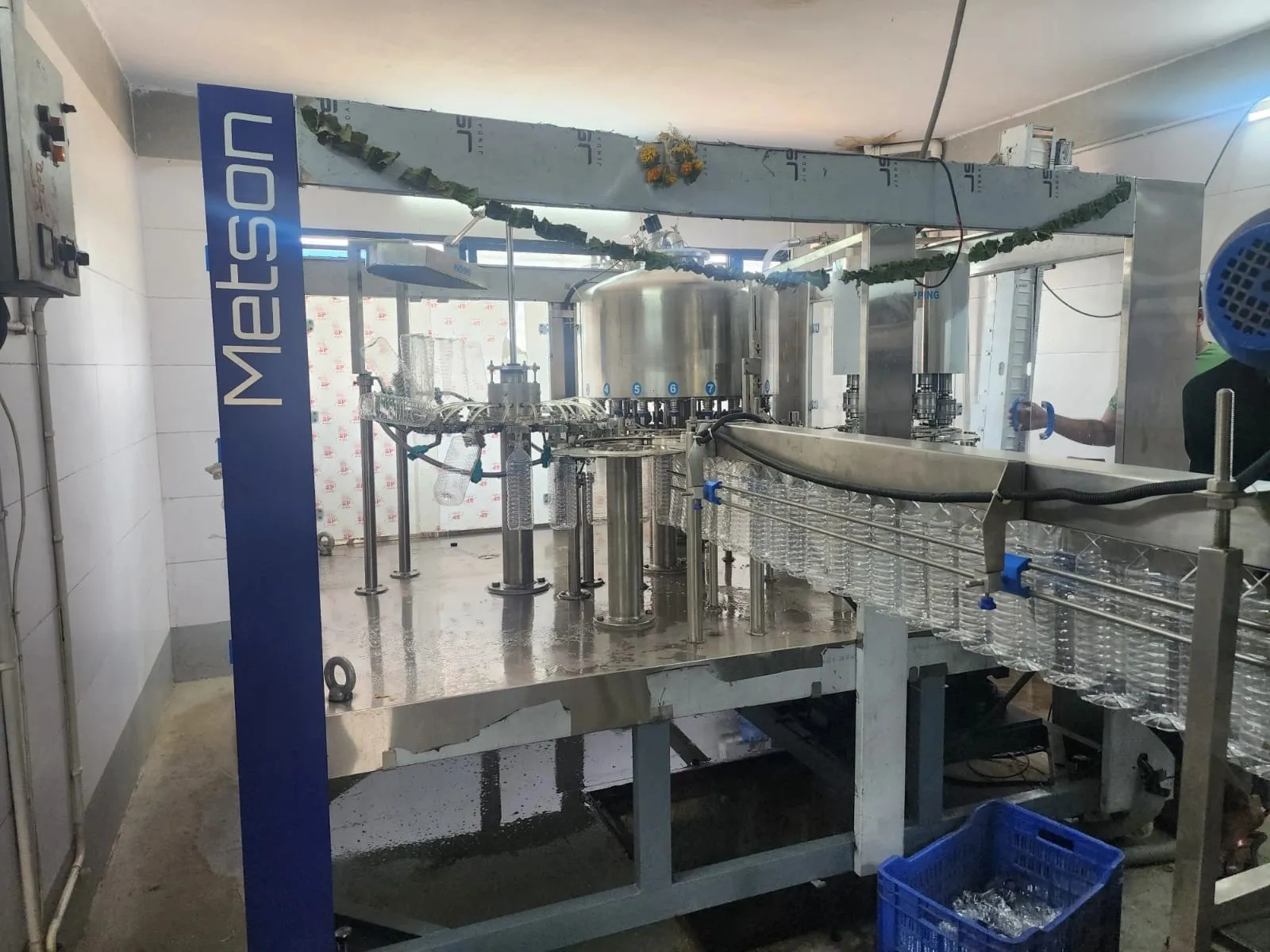
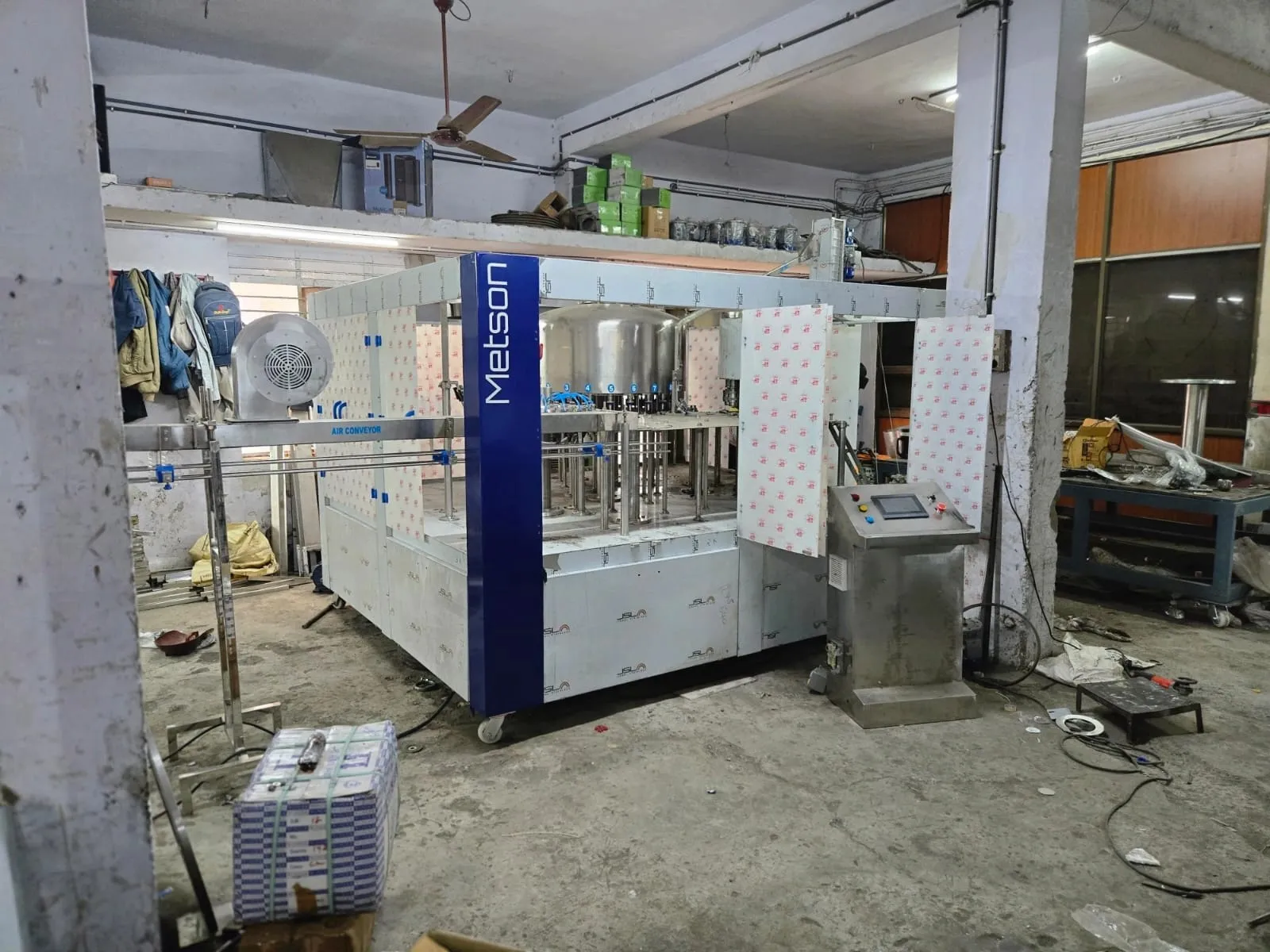
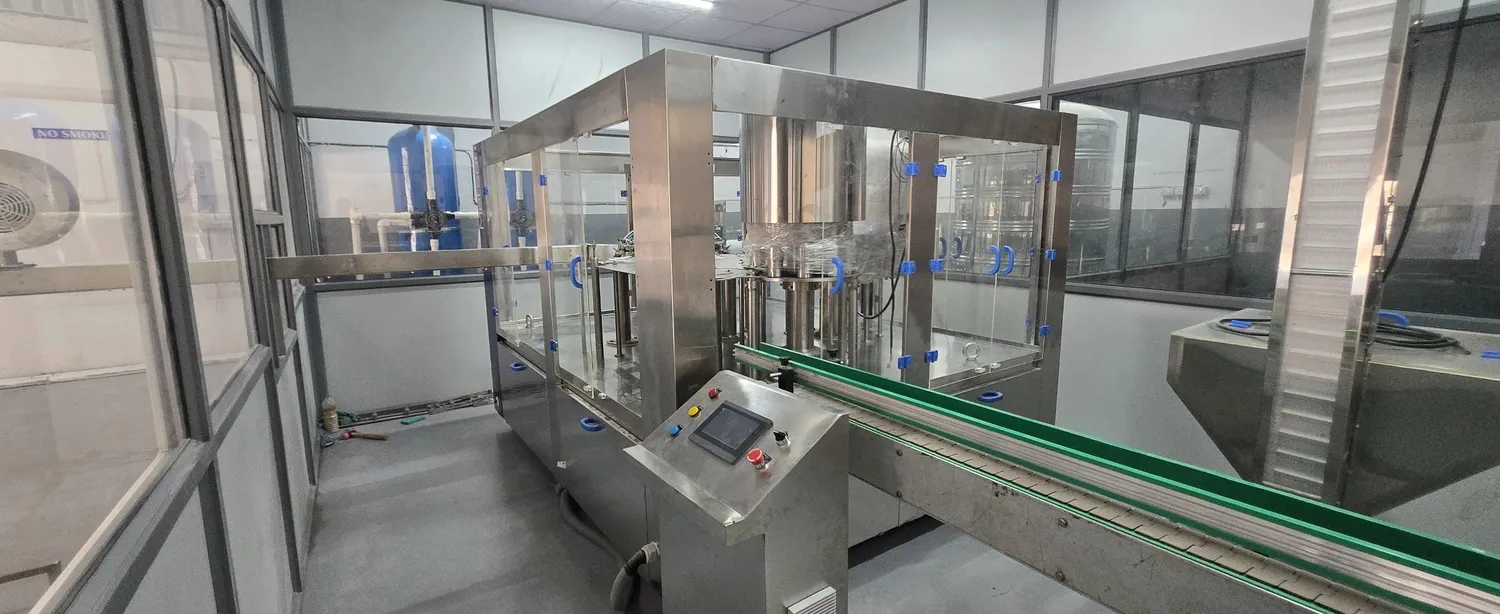
Metson Machines, a leading turnkey mineral water plant manufacturer from Ahmedabad, delivers customized, eco-friendly RO and mineral water plants designed to suit Sikkim’s terrain, climatic conditions, water characteristics, and strict environmental norms.
Applications of Mineral Water Plants in Sikkim
Tourism and Hospitality (Hotels, Resorts and Homestays)
With rising tourism in Gangtok, Pelling, Lachung, Ravangla, and Namchi, hotels and resorts need safe purified water for drinking, cooking, and guest services. High-altitude contamination often affects water clarity and taste, making in-house purification essential.
Schools, Monasteries, Colleges and Hospitals
Educational centers, monasteries, and healthcare units serve hundreds of students, monks, patients, and staff daily. Mineral water plants provide clean, iron-free, bacteria-free water, reducing waterborne health risks.
Army Camps and Government Institutions
Strategic military bases and government institutions in Sikkim require reliable purified water even in remote high-altitude areas. RO systems with solar or generator-powered options help ensure uninterrupted safe drinking water supply.
Packaged Bottling and Local Commercial Use
Local entrepreneurs are setting up 20L jar supply systems, refill stations, and packaged drinking water for towns and commercial hubs. However, Sikkim’s ban on small PET bottles below 2 liters requires alternative packaging options, such as glass bottles, larger jars, or paper-based containers.
Groundwater and Surface Water Challenges in Sikkim
Common issues in spring and borewell water include:
High iron content – Causes yellow or brown color and metallic taste
Turbidity – Mud particles and suspended solids due to rains and soil erosion
Microbial contamination – Risk of E. coli, coliform, and pathogens in natural sources
Acidic low pH – Damages pipes, affects taste, and is harmful to health
TDS imbalance – Fluctuates between monsoon and winter seasons
RO, UV, and ozone-based systems ensure pure, safe, mineral-balanced drinking water suitable for storage and bottle packaging.
Plant Capacities Suitable for Sikkim
| Plant Capacity | Ideal For |
|---|---|
| 500–1,500 LPH | Hostels, monasteries, hotels, homestays, small offices |
| 2,000–5,000 LPH | Hospitals, schools, guest houses, mid-size hospitality |
| 5,000–15,000 LPH | Local bottling, commercial distribution, 20L jar plants |
| 15,000–30,000+ LPH | Industrial supply, water refilling businesses, large-scale packaging |
Core Treatment Systems Used in Sikkim
Pre-Treatment Stage
Sand filters, carbon filters, and softeners remove silt, odor, organic matter, and protect membranes.
RO Purification
Eliminates dissolved solids, harmful salts, heavy metals, turbidity, and microbes, while stabilizing taste and TDS.
UV and Ozone Disinfection
Kills bacteria and viruses, ensuring safety even during water storage.
Mineral Rebalancing and pH Correction
Adds essential minerals like calcium and magnesium, and corrects pH to meet BIS standards.
Filling and Packaging Lines
Automatic filling machines for 20L jars, glass bottles, and large-capacity packaging, compliant with Sikkim’s eco-regulations.
Quality Control Laboratory
BIS and FSSAI-approved lab setup for testing pH, hardness, turbidity, microbial load, fluoride, and overall compliance.
Common Water Problems and Solutions in Sikkim
| Problem | Solution |
|---|---|
| Iron and Turbidity | Multi-stage filtration and iron removal |
| Microbial Contamination | UV and ozone treatment |
| Low pH (Acidity) | Mineral balancing and pH correction |
| High or Low TDS | Adjustable RO purification |
| Seasonal contamination | Automated bypass and control systems |
Services Offered by Metson Machines
Turnkey plant installation with civil, mechanical, and electrical work
AMC (Annual Maintenance Contract) for smooth operation
Operator training and plant operations support
Supply of membranes, pumps, UV lamps, filters, and spares
Assistance with BIS, FSSAI, and Pollution Control Board certifications
Investment and Profitability in Sikkim
| Plant Size | Suitable For | ROI |
|---|---|---|
| Small Plants (500–1,500 LPH) | Homestays, monasteries, hotels | 12–18 months |
| Medium Plants (2,000–5,000 LPH) | Hospitals, schools, tourism hubs | 10–14 months |
| Large Plants (10,000–25,000+ LPH) | Commercial bottling, jar plants | Highly profitable |
Profitability depends on location, packaging type, distribution plan, and compliance with Sikkim’s eco-packaging norms.
Examples of Installations
1000 LPH monastery plant in Gangtok
2500 LPH hospital plant in Namchi
5000 LPH eco-resort bottling plant in Pelling
3000 LPH hotel supply system in Lachung
Frequently Asked Questions
Can natural spring water from Sikkim be purified and bottled?
Yes. With RO, UV, ozone, and mineral rebalancing, it becomes safe, hygienic, and BIS-compliant.
Are PET bottles allowed in Sikkim?
Only above 2 liters. For smaller packaging, use jars or glass bottle options.
Is a 20L jar supply business profitable in Sikkim?
Yes. There is high demand from hotels, institutions, and tourism businesses.
Can one plant handle both jars and large bottle packaging?
Yes. Flexible filling and packaging lines are available.
Contact Metson Machines
Email: metsonmachines@gmail.com
Phone: +91 99798 88297
Website: mineralwaterplants.co.in
Manufacturing Unit: Ahmedabad, Gujarat – Supplying Turnkey Mineral Water Plants to Sikkim
